
BLUECARP NEW ENERGY / MANUFACTURING
BlueCarp 32700 LFP
Cell Manufacturing Process
From raw materials to finished cells — 13 precision steps, each meticulously controlled. Powered by world-leading battery production equipment, every Blue Carp cell carries the genes of efficiency and sustainability.
Core Processes
Manufacturing Stages
Full Traceability
MANUFACTURING WORKFLOW
Three Stages, Thirteen Steps,
One Uncompromising Standard
Our LFP cell production line spans three precisely orchestrated stages — every batch built under a rigorous, traceable quality system.
STAGE 01
Electrode Preparation
Slurry to Finished Electrode
5 STEPS
Mixing → Coating → Calendering → Slitting → Notching
STAGE 02
Cell Assembly
Winding to Sealed Shell
3 STEPS
Winding → Welding → Grooving & Baking
STAGE 03
Post-Electrolyte
Filling to Finished Product
5 STEPS
Filling → Sealing → Formation → Grading → Sorting
STAGE
STAGE 01 · ELECTRODE PREPARATION
Where Precision Begins
The electrode is the core component of a battery cell. Its quality directly determines capacity, lifespan, and safety. Each of these five steps is held to micrometer-level tolerance.
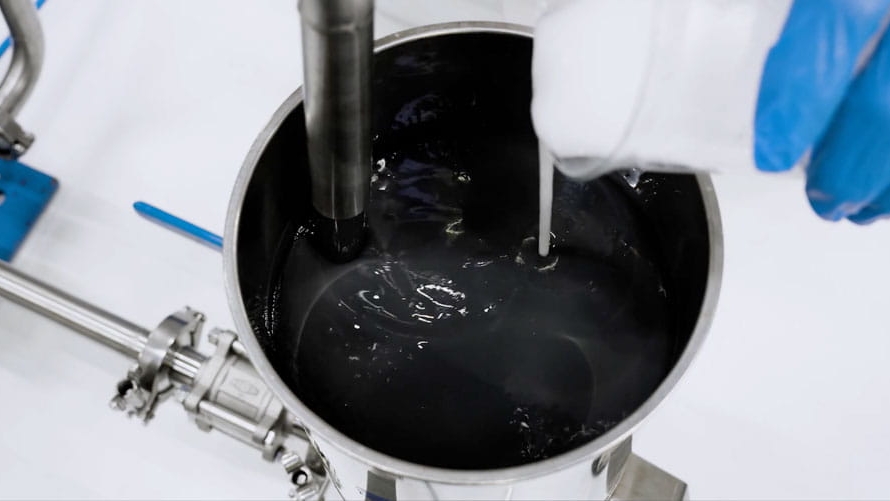
Slurry Mixing
Homogeneous Slurry Preparation
Active materials, conductive agents, and binders are mixed in precise proportions to form a uniform slurry. Slurry homogeneity directly affects coating quality and cell consistency.
Coating
Electrode Film Coating
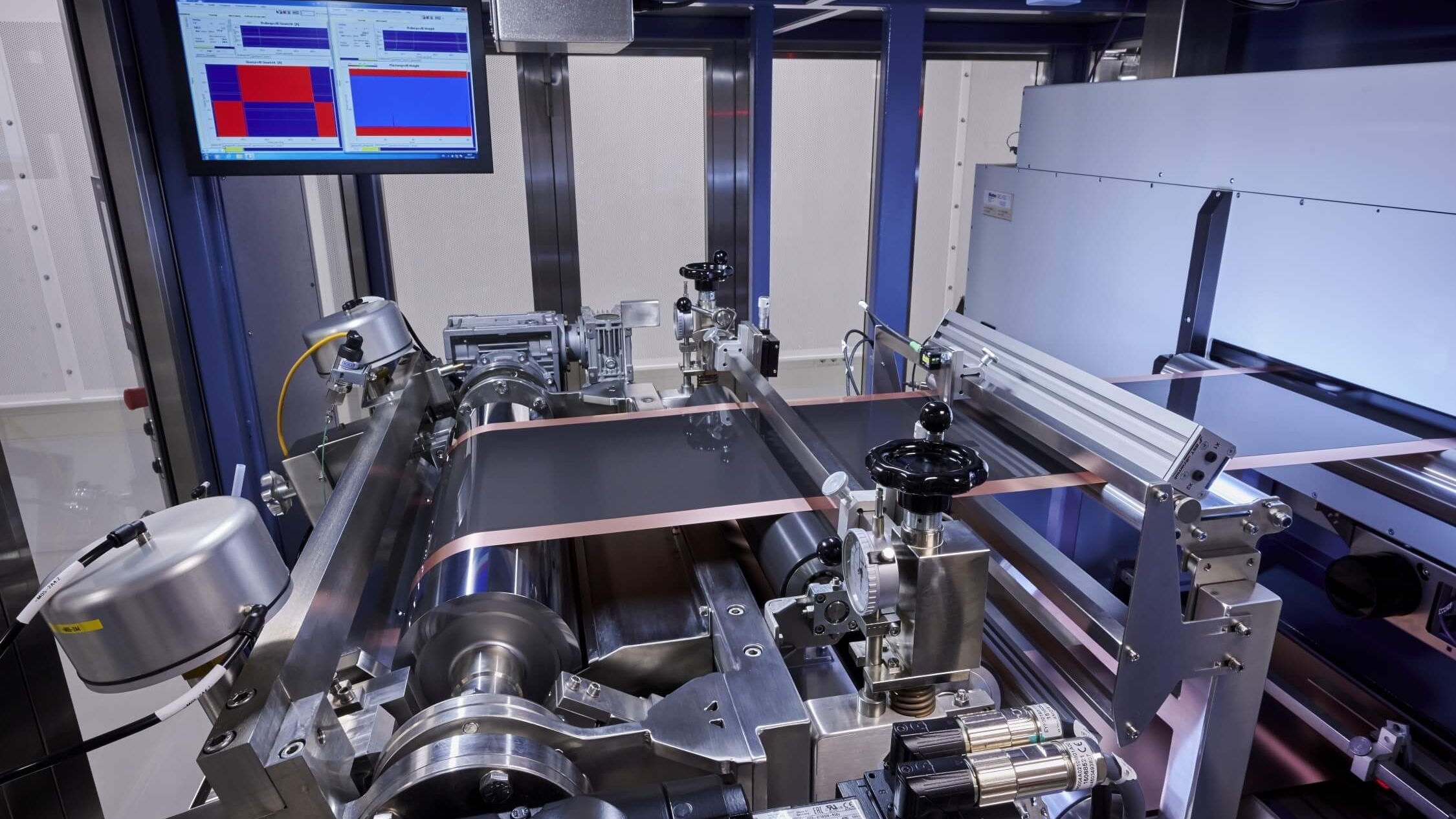
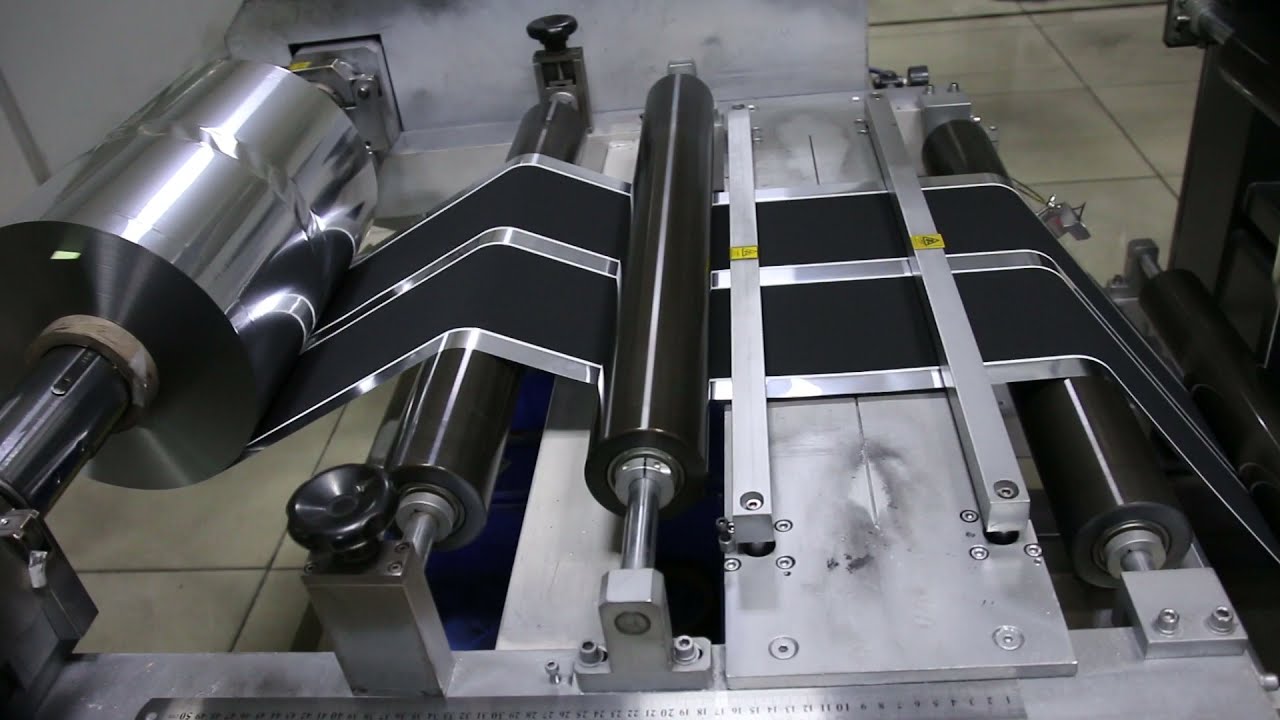
The uniform slurry is applied onto metal foil (aluminum/copper) at a precisely controlled thickness, then dried to form the electrode coating. Coating precision is controlled at the micrometer level.
Calendering
Precision Roll Compaction
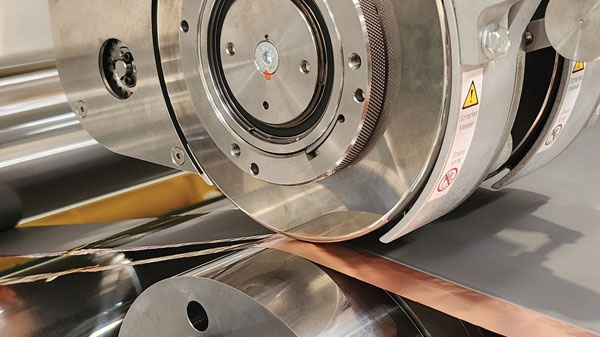
Coated electrodes are compressed through high-precision calendar rolls to increase coating density and improve electrical conductivity, ensuring uniform electrode thickness throughout.
Slitting
Electrode Strip Cutting
Wide electrode sheets are precision-cut into strips of the designed width. Cut edges must be smooth and burr-free to prevent short circuits during subsequent assembly.
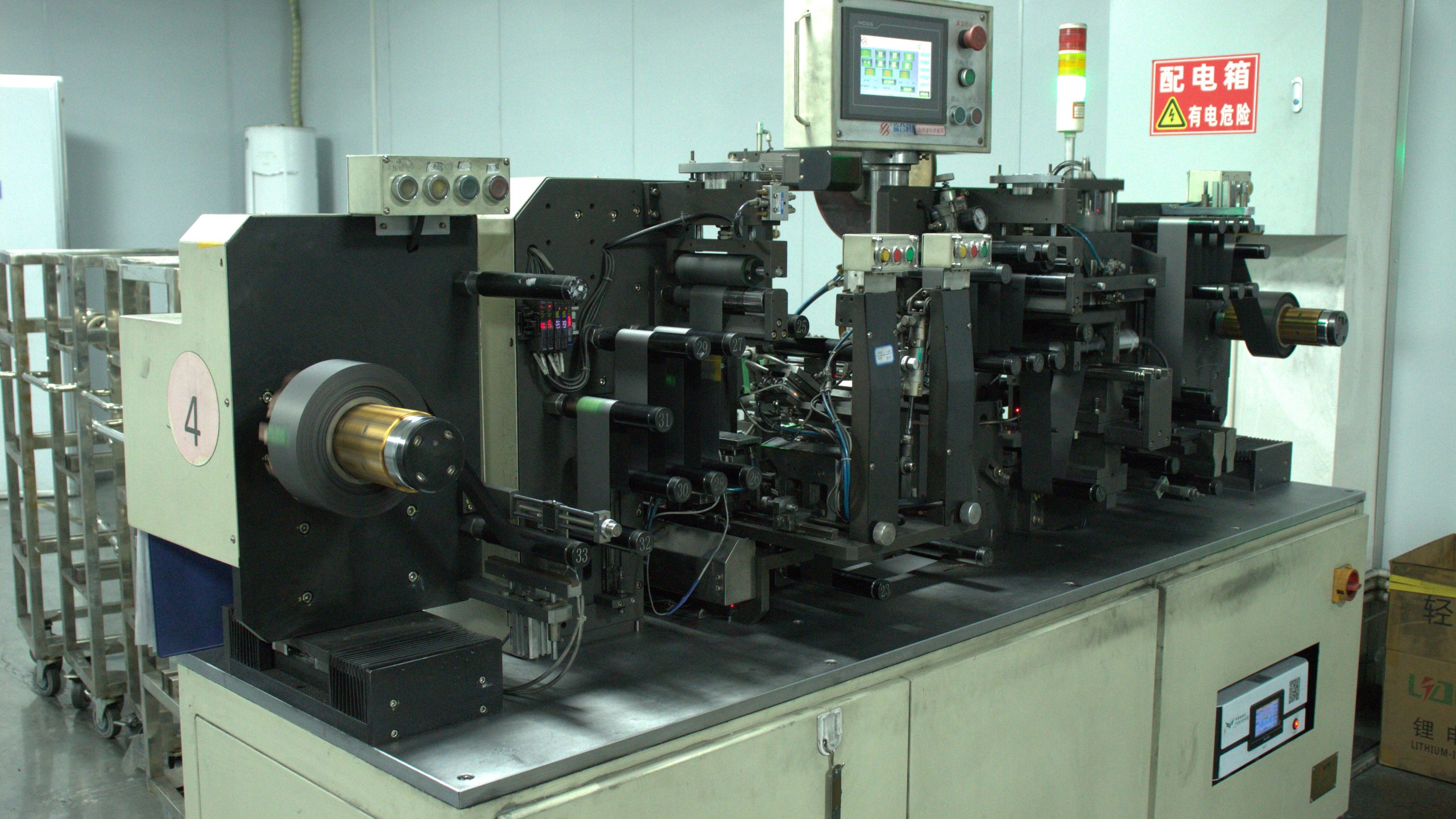
Notching & Tab Welding
Electrode Punching & Tab Attachment
Slitted electrode strips are die-cut and welded with current-collecting tabs to form the finished positive and negative electrodes. Tab welding quality directly impacts cell internal resistance and reliability.
STAGE
STAGE 02 · CELL ASSEMBLY
Precision Formation
Prepared electrodes and separators are wound with precision, loaded into cylindrical shells, and welded to build the physical structure of the cell.
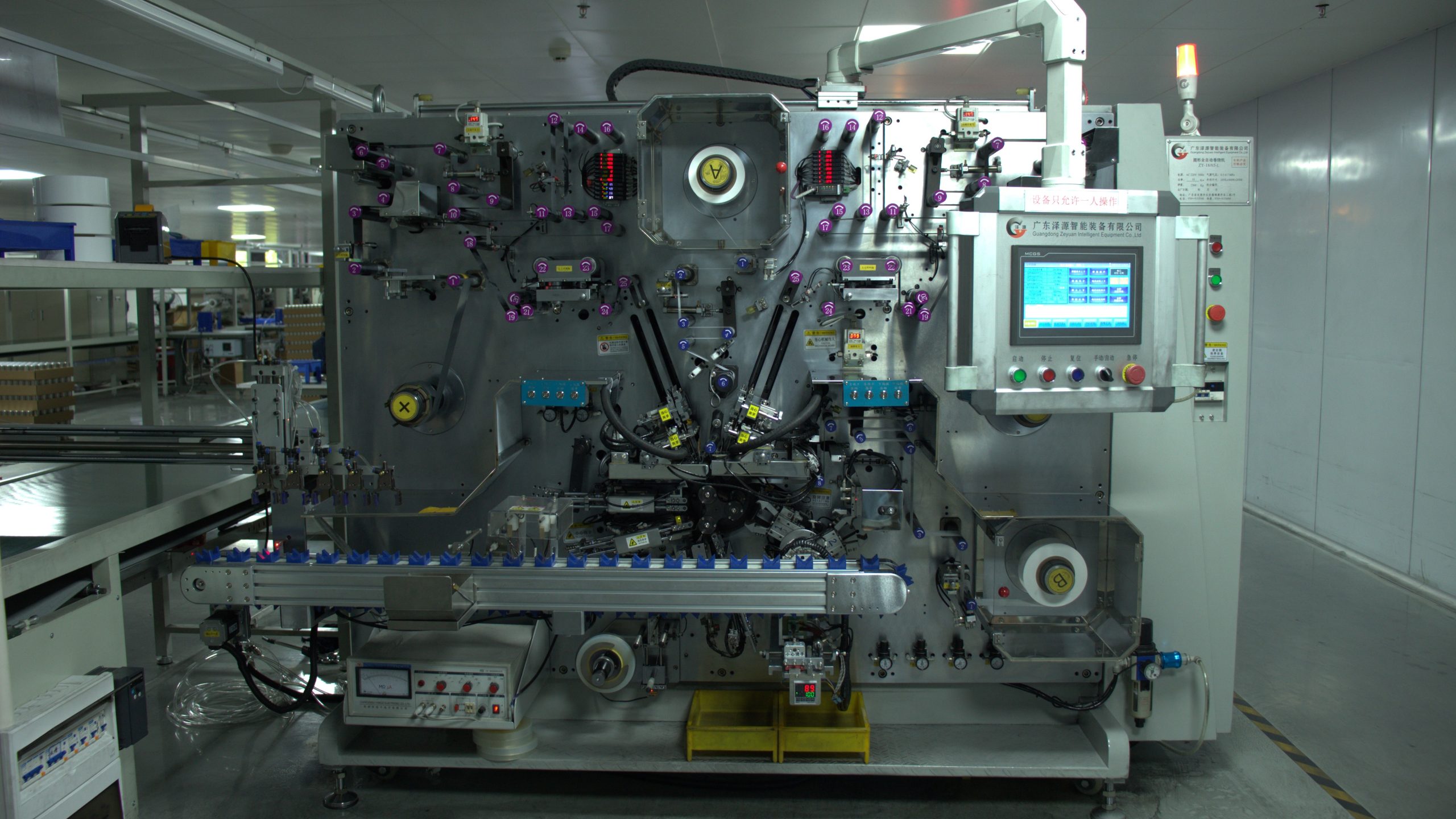
Winding
Jelly Roll Formation
Positive electrode, separator, and negative electrode are wound in precise sequence and tension to form the cell core. Tension control and layer alignment accuracy are critical to cell performance and safety.
Shell Insertion & Welding
Can Loading & Laser Welding
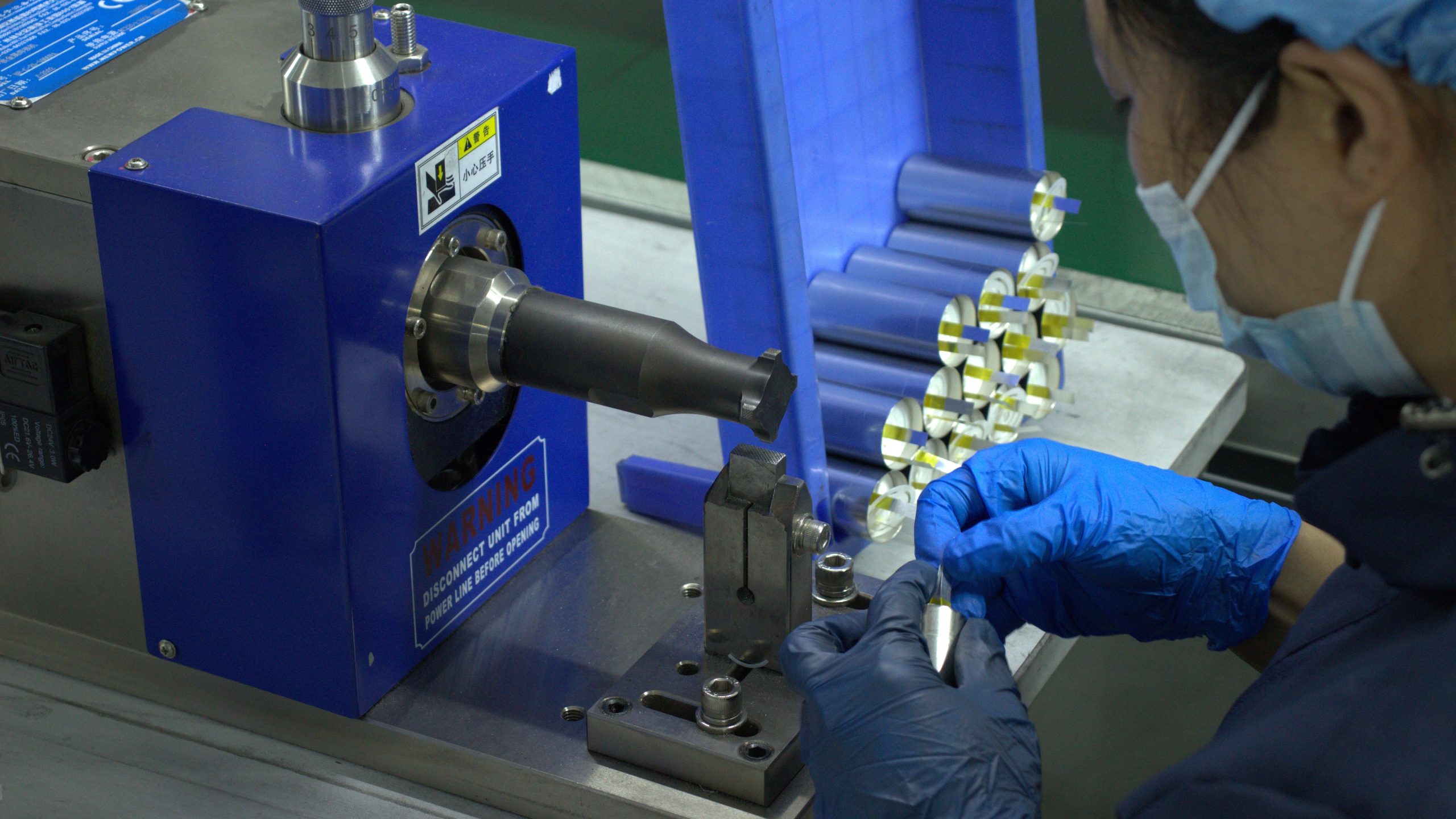
The wound core is precisely inserted into a cylindrical steel shell, and the tabs are laser-welded to the end cap. Welding quality determines the cell’s electrical conductivity and sealing integrity.
Grooving, Cap Welding & Baking
Crimping, Sealing & Dehydration
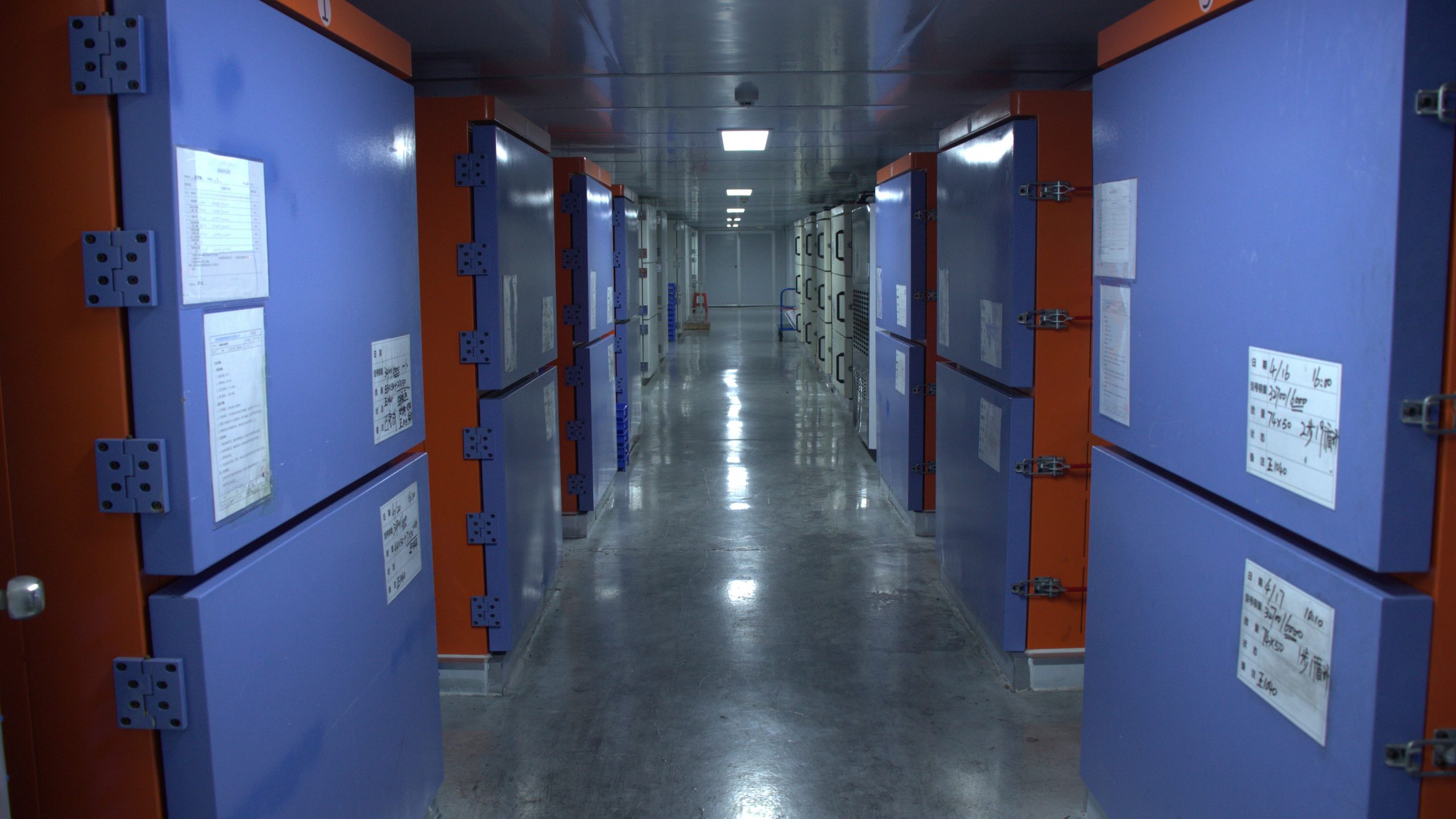
The shell is crimp-grooved for structural fixation, the cap is welded for a hermetic seal, and the assembled cell is baked in a high-temperature oven to remove residual moisture before electrolyte filling.
STAGE
STAGE 03 · POST-ELECTROLYTE
Quality Assurance
After electrolyte filling, cells undergo sealing, formation, aging, capacity grading, and sorting — a series of rigorous post-processing steps ensuring every cell meets strict quality standards.
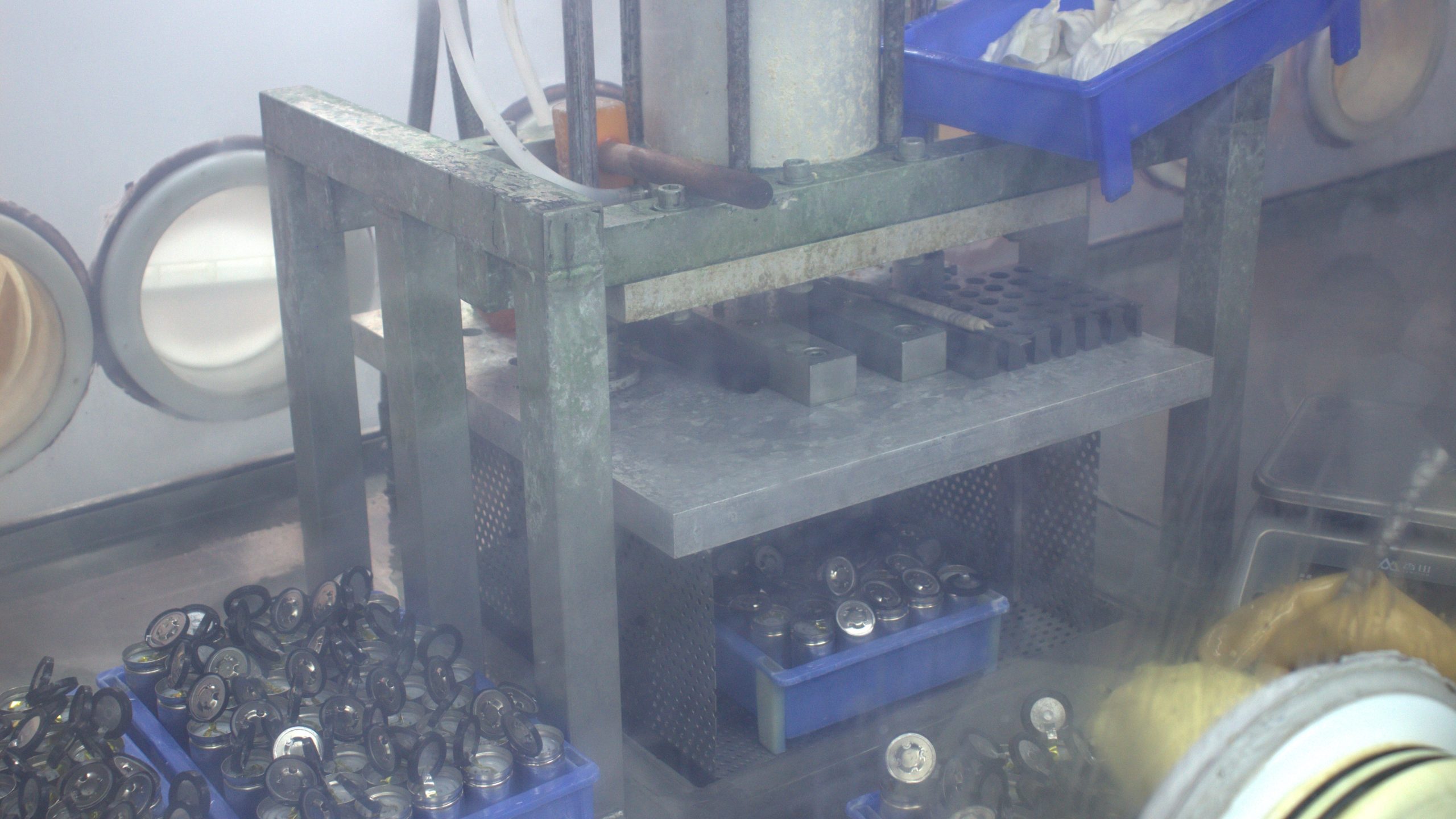
Electrolyte Filling
Precision Dosing
Electrolyte is precisely dosed and injected into the cell under tightly controlled humidity. Fill volume accuracy and moisture control are critical to cell performance and safety.
Sealing, Cleaning & Sleeving
Final Seal & Insulation Wrap
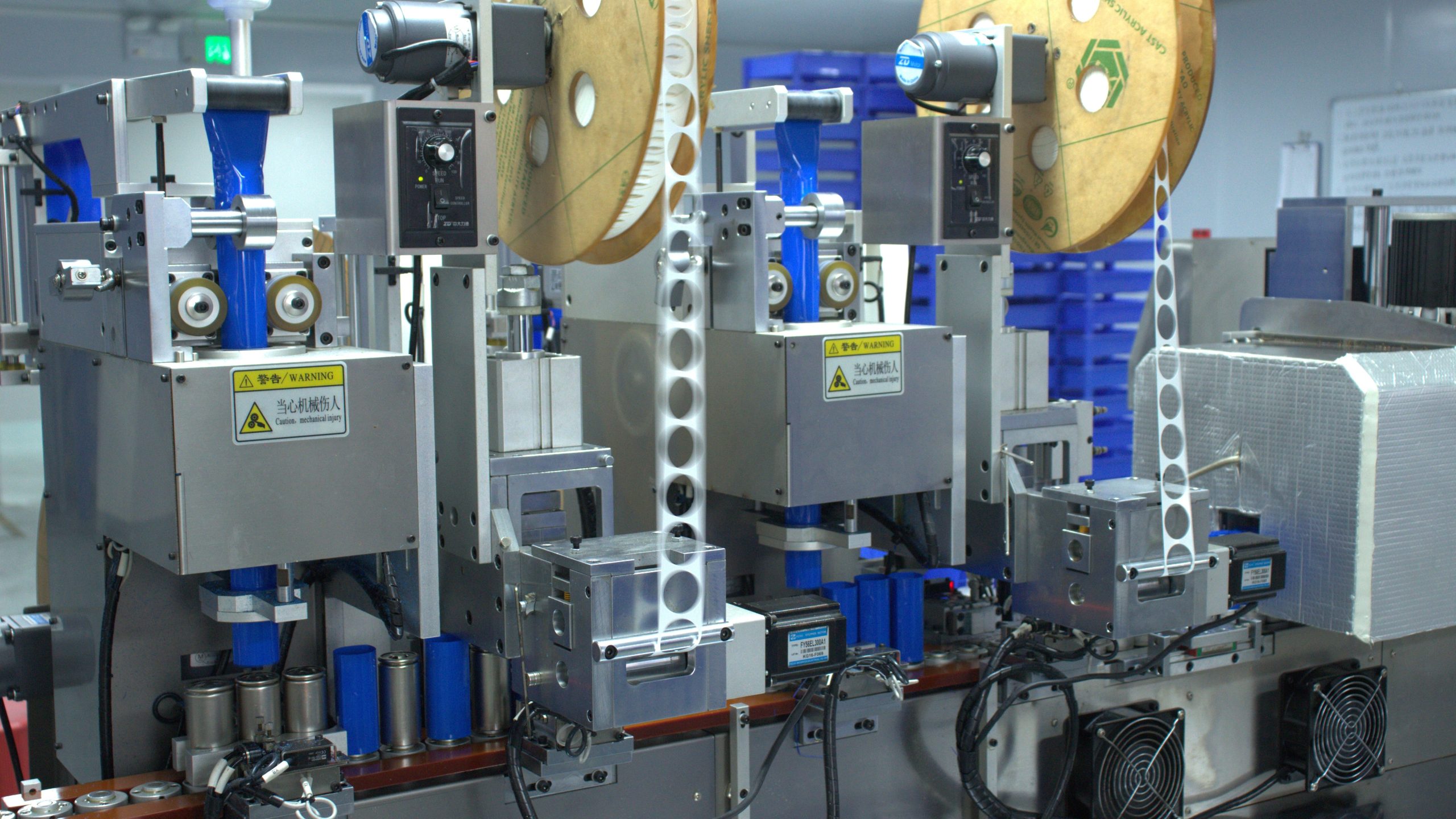
After the final hermetic seal is applied, the cell exterior is cleaned and wrapped with an insulating sleeve to ensure a clean appearance and reliable electrical insulation.
Formation & Aging
Activation & Stabilization
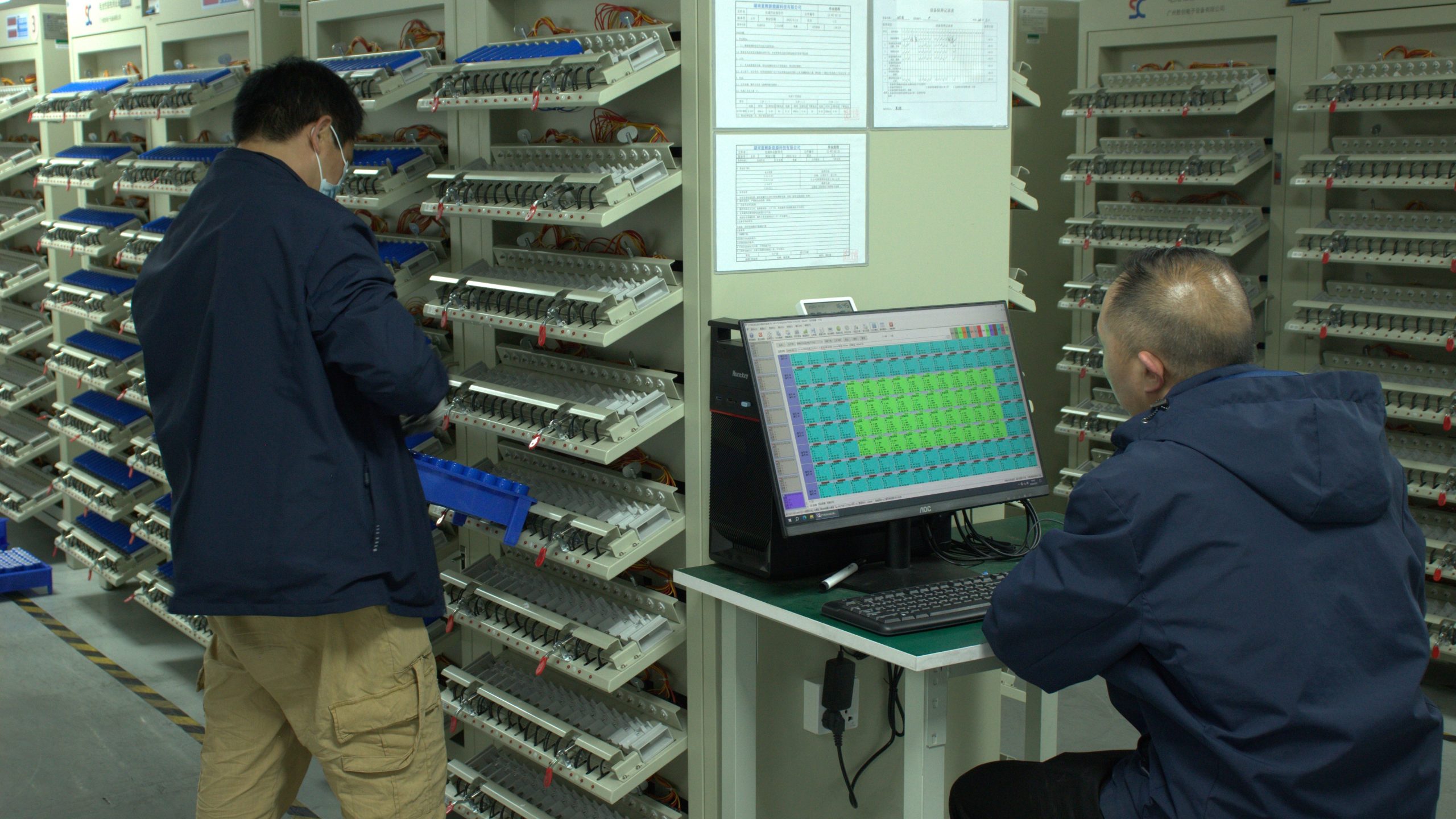
Cells undergo precise charge-discharge cycles to activate internal chemical reactions and form a stable SEI layer. They are then aged in a temperature-controlled environment to screen out latent defects.
Capacity Grading
Performance Characterization
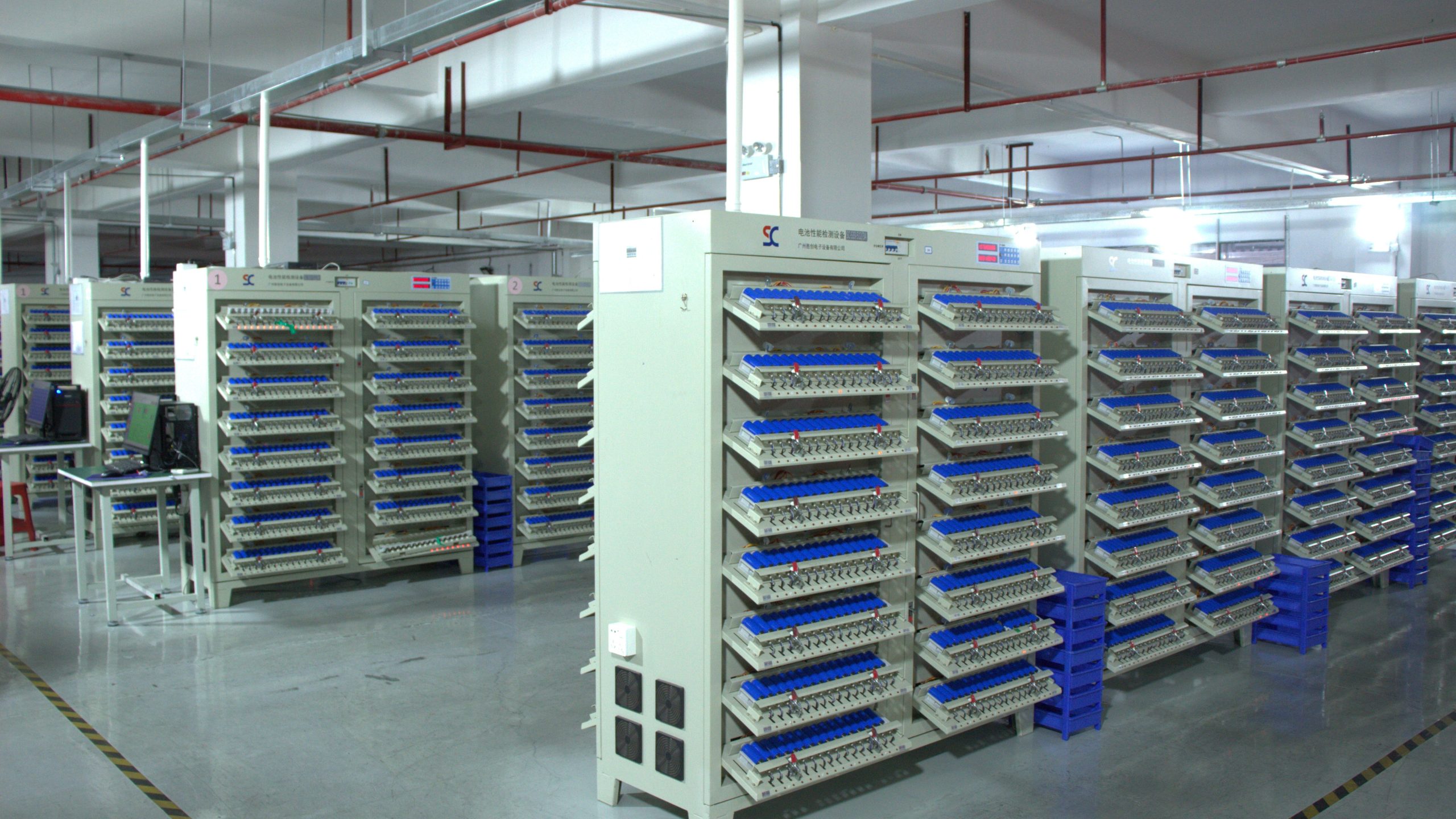
Each aged cell is tested for exact capacity, recording actual capacity, internal resistance, and other key parameters. This data provides the basis for subsequent sorting and matching.
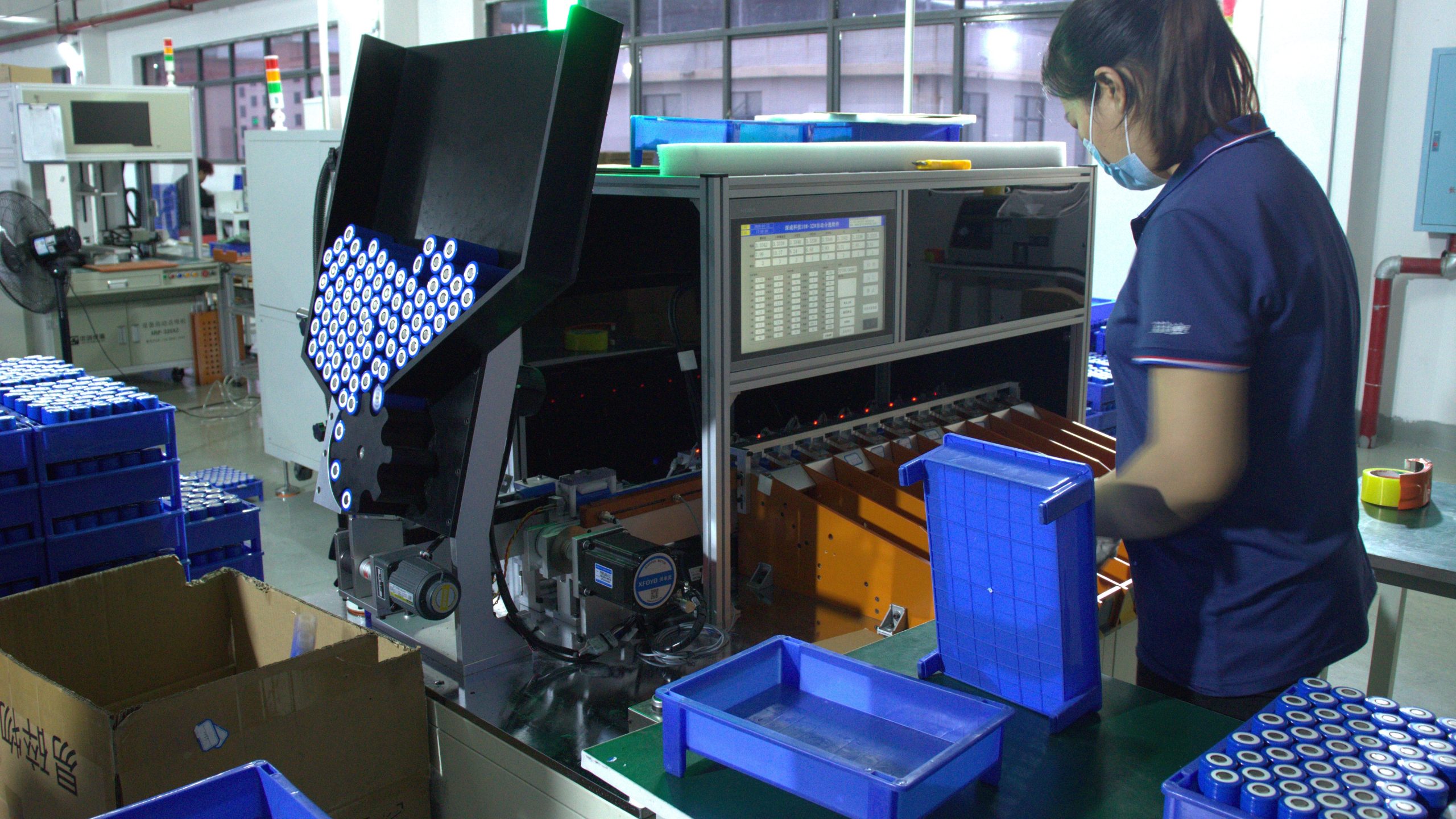
Sorting & Packaging
Final Grading & Dispatch
Cells are rigorously sorted and graded by capacity, internal resistance, and voltage. Cells with matching performance are grouped together and packaged for delivery, ensuring consistent quality out of the factory.
── Factory Tour ──
Inside the Blue Carp Factory
Take a virtual tour of our state-of-the-art manufacturing facility.
Core Manufacturing Steps
Material Recovery Rate
Cycle Lifespan
Full Traceability
OUR PROMISE
“Every cell that leaves our line carries the same promise: precision in every micron, traceability in every datapoint, and a relentless pursuit of quality — from raw slurry to finished pack.”
Engineering Team
Blue Carp New Energy
LET’S TALK
Ready to Power Your Project?
Whether you need industrial energy storage, power battery packs, or custom cell solutions — our engineering team is ready to design the optimal solution for your application.